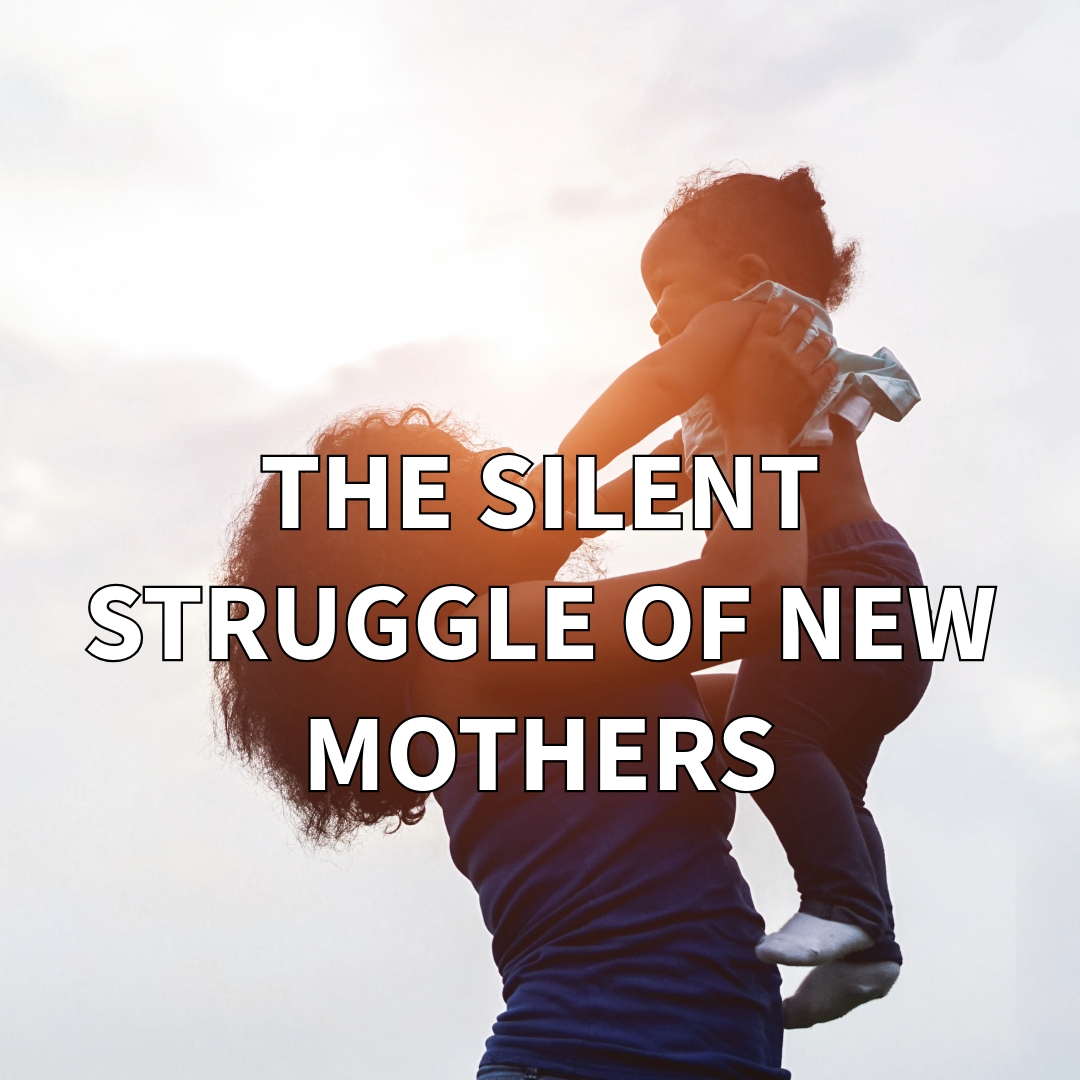
POSTPARTUM DEPRESSION IN INDIA: THE SILENT STRUGGLE OF NEW MOTHERS
- 08 Nov 2025
- world mental health day, manodarpan wellness , man...
Postpartum depression (PPD) is a common but often overlooked complication of childbirth in India. Unlike the “baby blues,” which resolve within days, PPD is a diagnosable mood disorder that can begin within weeks of delivery and persist for months if untreated.
Indian studies and reviews show that PPD prevalence is substantially higher than many expect — frequently ranging from roughly 10% up to 25%, depending on the region, measurement tool and timing of assessment — which means thousands of new mothers in India face significant emotional suffering every year.
Several India-specific investigations highlight risk factors that clinicians and families should watch for. Poverty, low educational status, poor social support, intimate partner conflict, unplanned pregnancy, a history of depression, and stressful life events consistently emerge as strong predictors of PPD in Indian cohorts.
Family structure and support also matter: women in nuclear families or those who lack extended-family help after delivery show higher rates of depressive symptoms. Cultural issues — stigma around mental illness, shame in admitting emotional struggle, and beliefs that motherhood should be an exclusively joyful time — discourage help-seeking and delay diagnosis.

Consequences extend beyond the mother.
Untreated PPD is associated with impaired mother–infant bonding, delayed infant cognitive and emotional development, poorer breastfeeding outcomes, and greater family stress.
Community-based screening using brief tools such as the Edinburgh Postnatal Depression Scale (EPDS) has been used effectively in several Indian studies to identify at-risk mothers and link them to care. Primary care and maternal-child health platforms — from anganwadis to primary health centres — are key places to integrate routine screening and psychoeducation so that early signs don’t go unnoticed.
What works:
Evidence-based treatments for PPD include psychological therapies (cognitive behavioural therapy, interpersonal therapy), social support interventions, and, when indicated, pharmacotherapy under psychiatric supervision.
In low-resource Indian settings, task-shifting models, where trained community health workers deliver structured psychosocial support, have shown promise and improve access.
Because stigma and access barriers are large, culturally sensitive outreach, involvement of family members, and clear referral pathways from obstetric services to mental health professionals are essential.
Written By : Dr Ravi Parkash
Consultant Psychiatrist
Founder Manodarpan Wellness